Learning
Why We Give Away 746 AI Skills for Free
We made the library public because hoarded knowledge was the problem, not the answer.
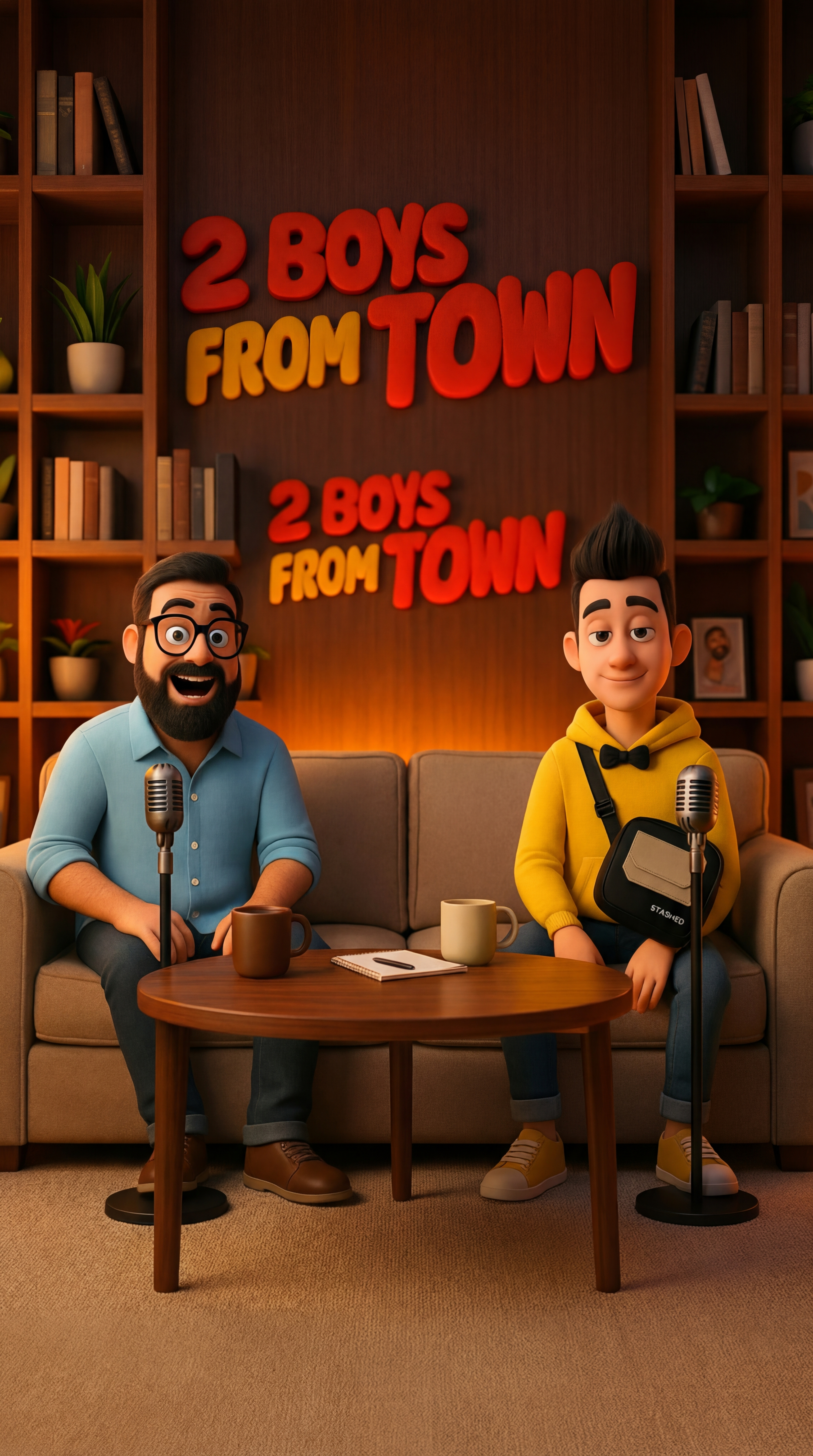
Someone on Twitter asked us a question that we got at least once a week:
“Bro, you’re bootstrapped. You don’t have funding. Why would you give away 746 skills for free? Are you stupid?”
Fair question. Here is our answer.
The Skill Library Started as Our Notes
This was never some grand philanthropic gesture. Let us be honest about how it started.
When we were building Stashed, we kept running into the same problem: we would figure out an AI workflow, forget it two weeks later, and waste an hour rediscovering it. So we started documenting everything.
How to prompt Claude for product descriptions that do not sound robotic. How to get better product shots. How to use video tools for content that does not look obviously generated. How to chain tools together so one output feeds into the next.
These notes piled up. First 50. Then 100. Then we crossed 200 and realized: this is actually valuable. Not because we are geniuses, but because we had spent hundreds of hours doing the trial and error that most people do not have time for.
The question was: what do we do with it?
The Gatekeeping Problem in India
Here is something that genuinely bothers us. In India, knowledge hoarding is a sport.
Go look at any “AI course” marketed to Indian audiences. You will find:
- Recycled ChatGPT tutorials packaged as “masterclasses”
- Rs. 4,999 courses that teach you things available free on YouTube
- “Exclusive communities” that are basically WhatsApp groups with forwarded articles
- “Expert” instructors who have never built anything with AI - they just teach about it
And the worst part? The people buying these courses are often the ones who can least afford to waste money. College students. Small business owners in tier-2 cities. Young professionals trying to upskill on a tight budget.
We had been those people. We had bought the garbage courses. We knew the frustration of paying money and getting theory when you needed a practical workflow.
So when we looked at our skill library, the choice was obvious. Make it free. All of it.
The Business Model
“Free” does not mean “no business model.” It means we chose a smarter one.
Here is how the old 2BFT Academy setup worked:
Free tier - The skill library
- Individual AI skills with step-by-step instructions
- Real prompts from our actual work
- Tool-specific guides
- Open access instead of an email wall
Paid tier - Structured learning
- Curated learning paths that connect skills into workflows
- The AI Operator curriculum
- Project-based learning using real business scenarios
- Community access with us
The logic was simple: skills are the ingredient, structured learning is the recipe. You can have all the ingredients for free. But if you want someone to show you how to cook the dish - which order, which temperature, which combinations - that is the paid part.
This model works because of a basic human truth: most people do not want raw information, they want guided transformation. The free skills build trust. The paid paths deliver outcomes.
India Does Not Need More AI Users. India Needs AI Operators.
This is the core belief that drove the project.
There is a massive difference between someone who uses AI and someone who operates with AI.
AI User:
- Opens ChatGPT when they need a quick answer
- Uses AI as a search engine replacement
- Occasionally generates an image or summarises a document
- Treats AI as a novelty
AI Operator:
- Has systematised workflows where AI handles entire business functions
- Chains multiple AI tools together
- Knows which tool to use for which task, and why
- Builds repeatable systems, not one-off prompts
- Can replace several human roles in a lean operation
India has millions of AI users. We need AI operators.
Why? Because India’s biggest economic opportunity right now is in small, lean teams building real businesses. Not everyone is going to work at Google. Not everyone should. The future of Indian business is 2-5 person teams using AI to punch way above their weight - exactly like we were trying to do with Stashed.
The skill library created awareness. The academy side turned that into a path.
The 2BFT Promise: No Theory Without Proof
Every skill in the library had been used by us. Not theoretically. Not “this should work.” We had done it. We had the output. We had the business context behind it.
This was our non-negotiable rule:
- If we had not used a tool, we did not teach it
- If a prompt did not work consistently, we did not share it
- If a workflow had a failure mode, we documented the failure too
- If an AI tool was overhyped garbage, we said so
That is why the library mattered. It was not a course outline pretending to be experience. It was experience, written down.
Why Free Worked
Let us talk about the selfish math, because we are builders, not saints.
Free skills = trust. When someone uses a free skill and it actually works, they trust us. That trust is worth more than ad spend.
Free skills = reach. A free resource spreads. People share it. Link to it. Reference it.
Free skills = feedback. Every time someone uses a skill and tells us it worked or did not, we get data. That data makes the structured learning side better.
Free skills = proof. When someone sees that the free material is solid, the paid side no longer feels like a blind bet.
The math worked. We did not give away skills because we were generous. We gave them away because it was the smartest go-to-market strategy available to two bootstrapped founders from a small town.
What Was in the Library
The old library covered things like:
Content Creation Writing product descriptions, captions, email sequences, blog posts, ad copy, and scripts.
Visual Content Product photography prompts, visual identity systems, graphics, thumbnails, and presentation support.
Video Production Short-form video creation, demos, trend-format videos, and editing workflows.
Business Operations Financial modeling, inventory thinking, customer service templates, vendor communication, and SOPs.
Marketing and Growth SEO, social media strategy, email marketing, community building, analytics interpretation, and campaign planning.
Every skill followed the same basic logic: what it does, which tool to use, the prompt or workflow, an example output, and common mistakes to avoid.
The Bigger Picture
We think about this a lot: what happens if 10,000 young Indians become AI operators in the next two years?
That is 10,000 lean businesses. 10,000 brands being built from small towns. 10,000 people who do not need to migrate to metros or beg for jobs at MNCs. 10,000 people who can build economic value from wherever they are. The school workshop in Vaniyambadi showed us just how fast the shift can happen when people get shown practical tools instead of abstract hype.
That is not a fantasy. The tools exist. The infrastructure exists. The market exists. The missing piece is the knowledge - and that was the whole point of making the library public.
746 skills then. More writing after that. All grounded in work.
Because the best thing two boys from a small town can do is make sure other people from small towns do not have to figure it all out alone.